before class
- About two hours before class, do not eat large meals – we practice on an empty stomach.
- Arrive 5-10 minutes before the class starts.
- Turn off the ringer and vibration on your phone.
- Change into comfortable clothes. We practice barefoot.
- You can use the studio mats or bring your own. Other necessary props are available in the studio.
- Adapt your practice to your abilities and ask the teacher for guidance if necessary.
- Be responsible for yourself and respect your body: never force an asana position. If you feel increasing pain, stop immediately.
- Breathing is part of the practice. Come to class without perfume or other scents.
- Report any health issues that may affect your practice to the teacher. Tell the teacher if you are pregnant.
- Return any equipment to its original location after class.
- Resolve any questions about the practice with the teacher before or after class.
adjustments
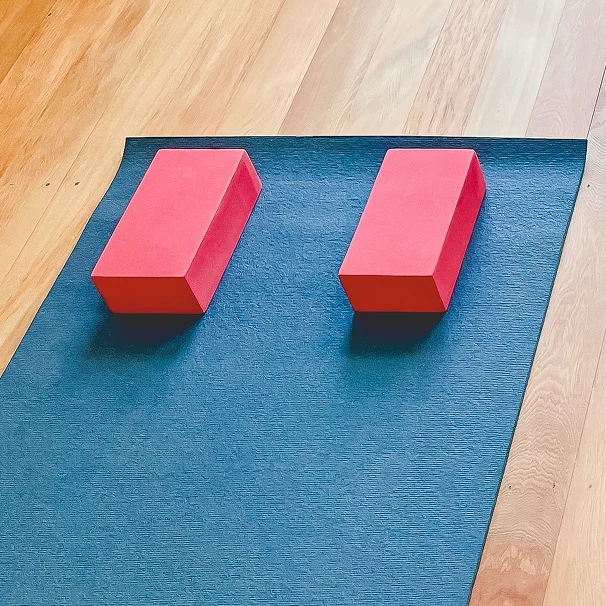
In the Iyengar yoga method, teachers convey instruction verbally and through adjustments and modifications using their own bodies and props.
Adjustments provide clarity on how specific body parts should be positioned, increase stability in asana, convey direction, increase safety, and regulate energy.
By participating in classes, students consent to physical adjustments and modifications, unless they notify the teacher at the beginning of each class of their disagreement.
Certified Iyengar yoga teachers adhere to a code of conduct and ethical principles as part of their professional responsibilities.
Guidelines and information are available at iyengar-yoga.org.nz/ethics/
Iyengar Yoga lineage
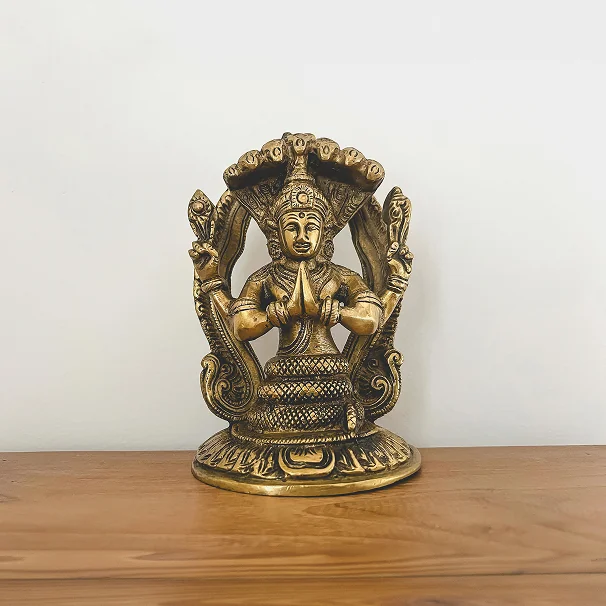
The yoga system known as “Iyengar Yoga” was developed by B.K.S. Iyengar in Pune, India. It is a practice that uses the body as a tool for meditation and integration, accessible to anyone who wishes to engage, regardless of age or ability.
B.K.S. Iyengar developed his practice and teachings based on the eight-fold path in the tradition and lineage of Patanjali. Lineage refers to the legacy of knowledge passed down from teacher to student, who then, through their own commitment to practice, becomes a teacher themselves.